9–12 months. That’s the actual timeline.
Cabin filters are designed to be replaced every 9–12 months or after 10,000–15,000 km of driving. Beyond this point, the filter gradually loses its ability to trap particles effectively, even if the decline is not immediately obvious. What once worked as protection slowly becomes saturated by daily exposure to outside air. The problem is, most drivers only realize it after the filter has been overdue for far too long.
What gets trapped does not simply disappear
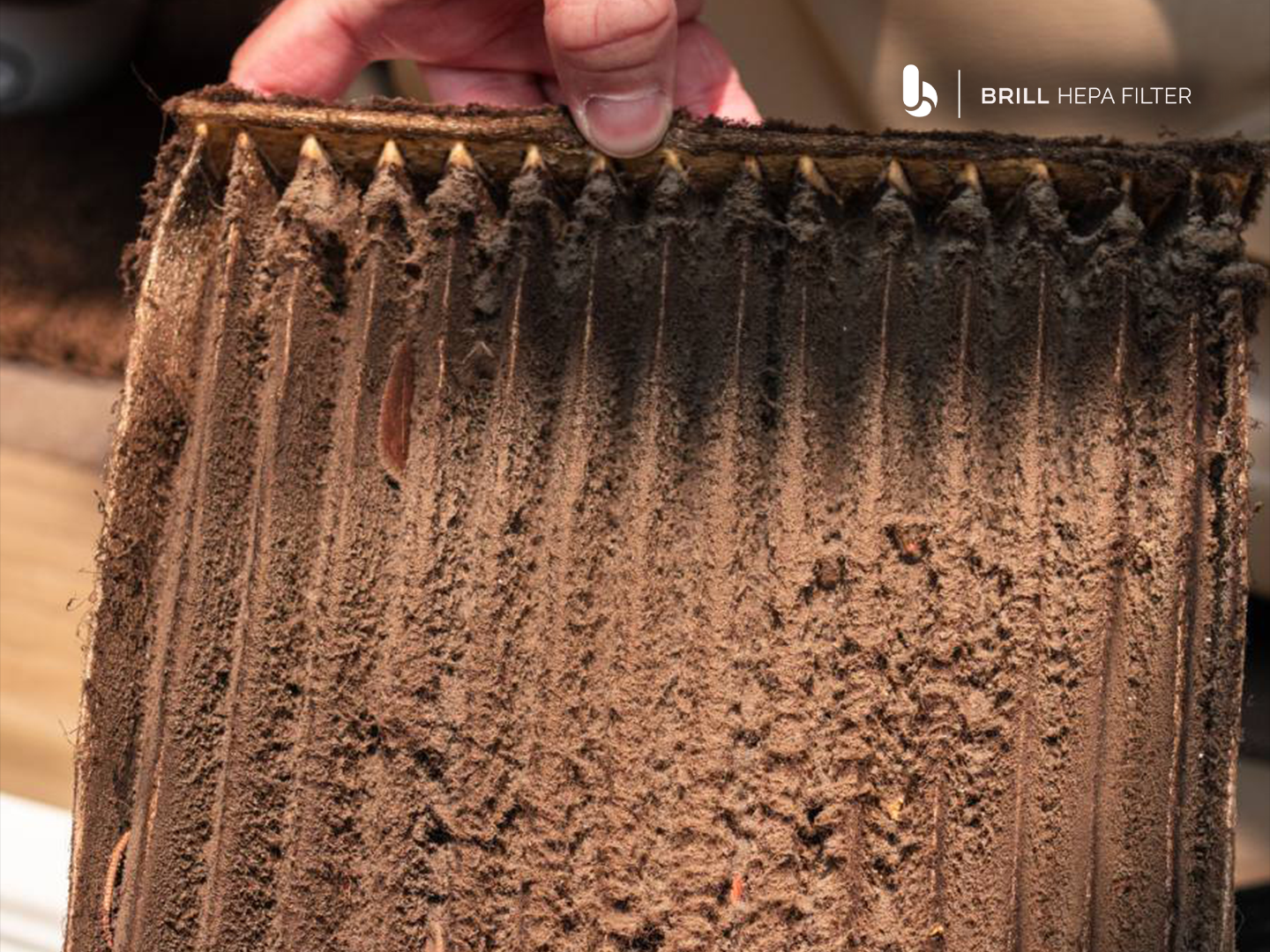
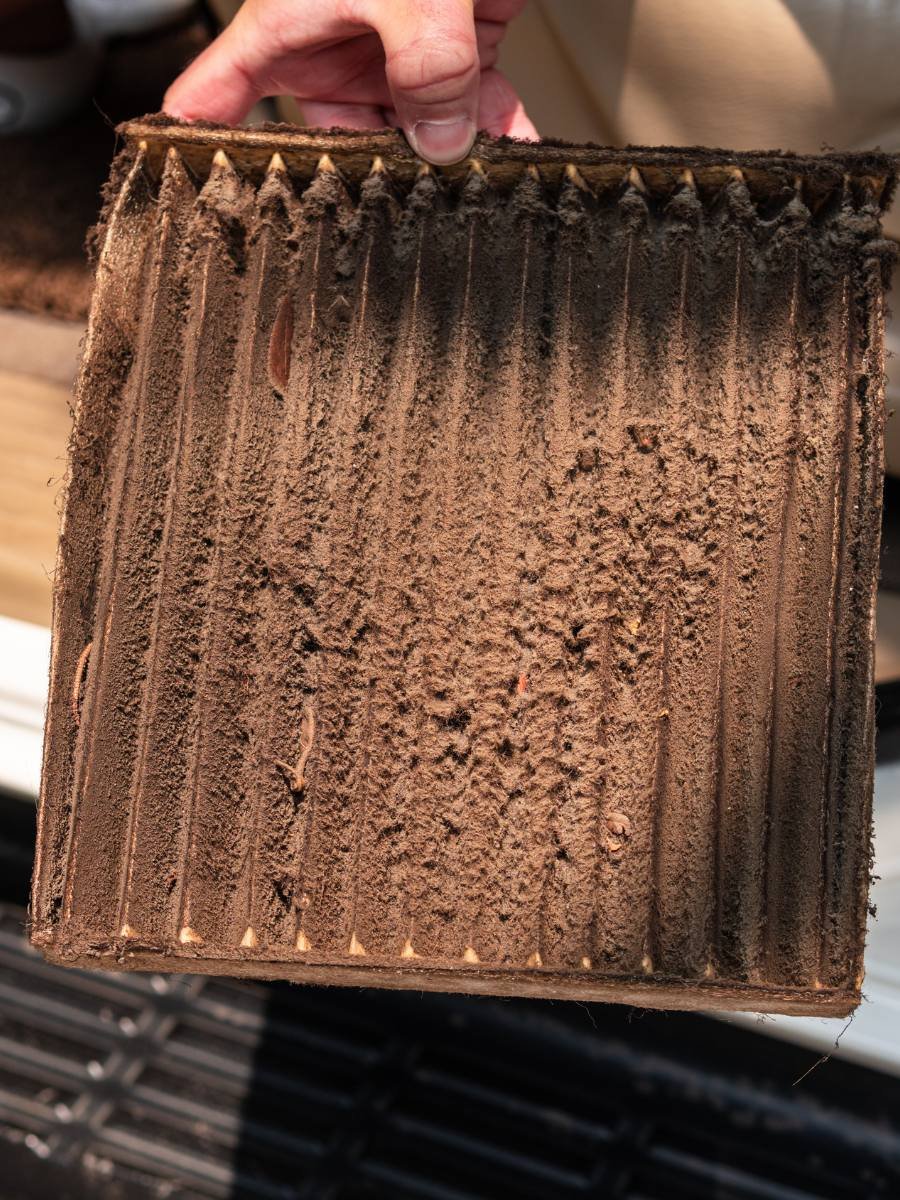
Over time, a cabin filter collects dust, debris, bacteria, and particles carried in from the road. When it is not replaced, the filter stops performing as a clean barrier and starts holding years of accumulated residue inside the system. This does not just affect airflow, but also the overall freshness and comfort of the cabin environment. A neglected filter quietly changes the quality of every trip, especially when the drive lasts for hours.
Before the next long journey, check the small things too
Long-distance travel makes every detail feel bigger, including the air inside the car. People usually prepare fuel, tires, luggage, and route planning, but often forget the component that affects what everyone breathes throughout the journey. A cabin filter may look small, yet it shapes comfort in a way most drivers rarely notice until it becomes a problem. Sometimes, a better trip starts with replacing what has quietly been working for too long.