A silent impact on life expectancy
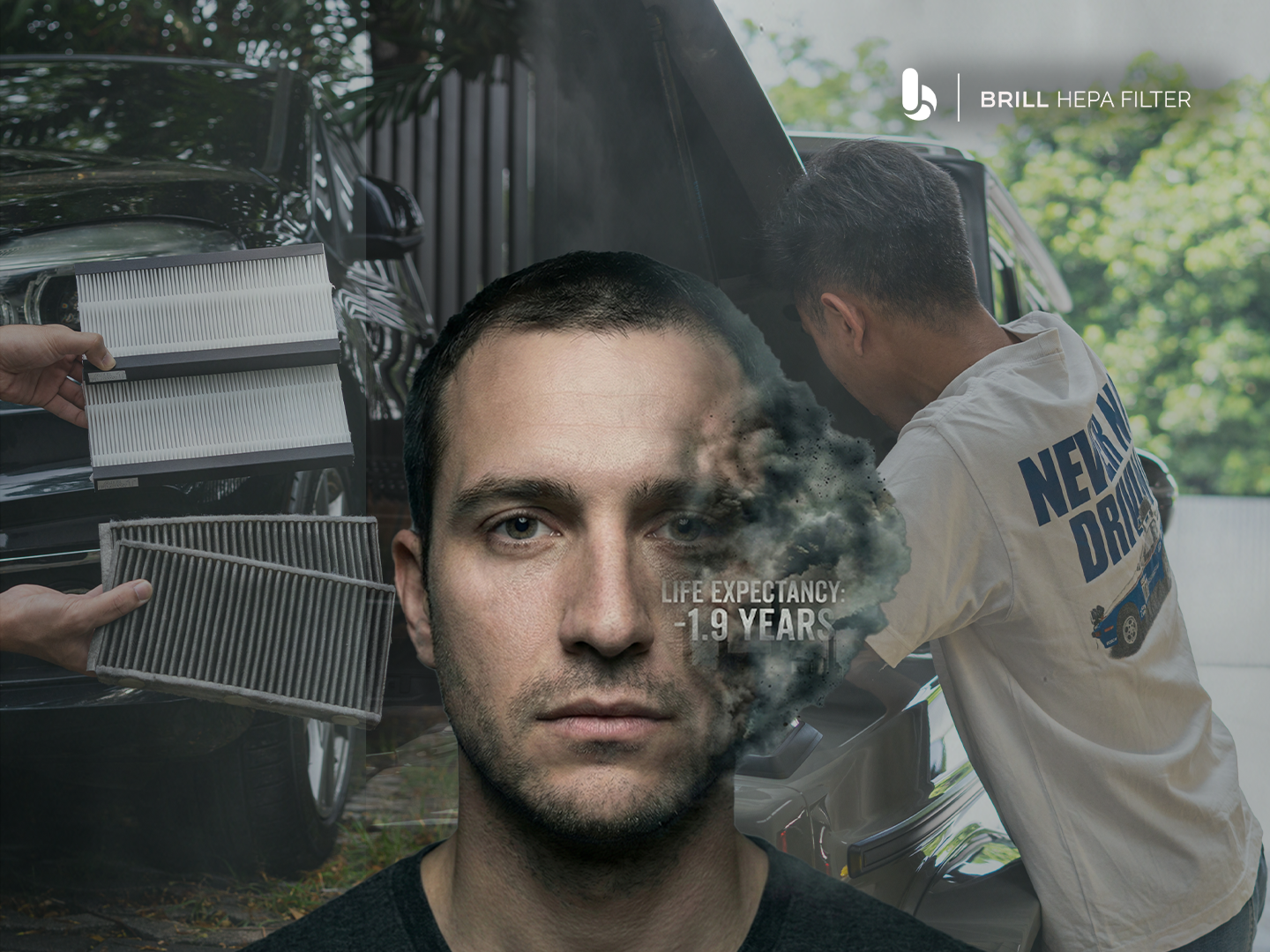
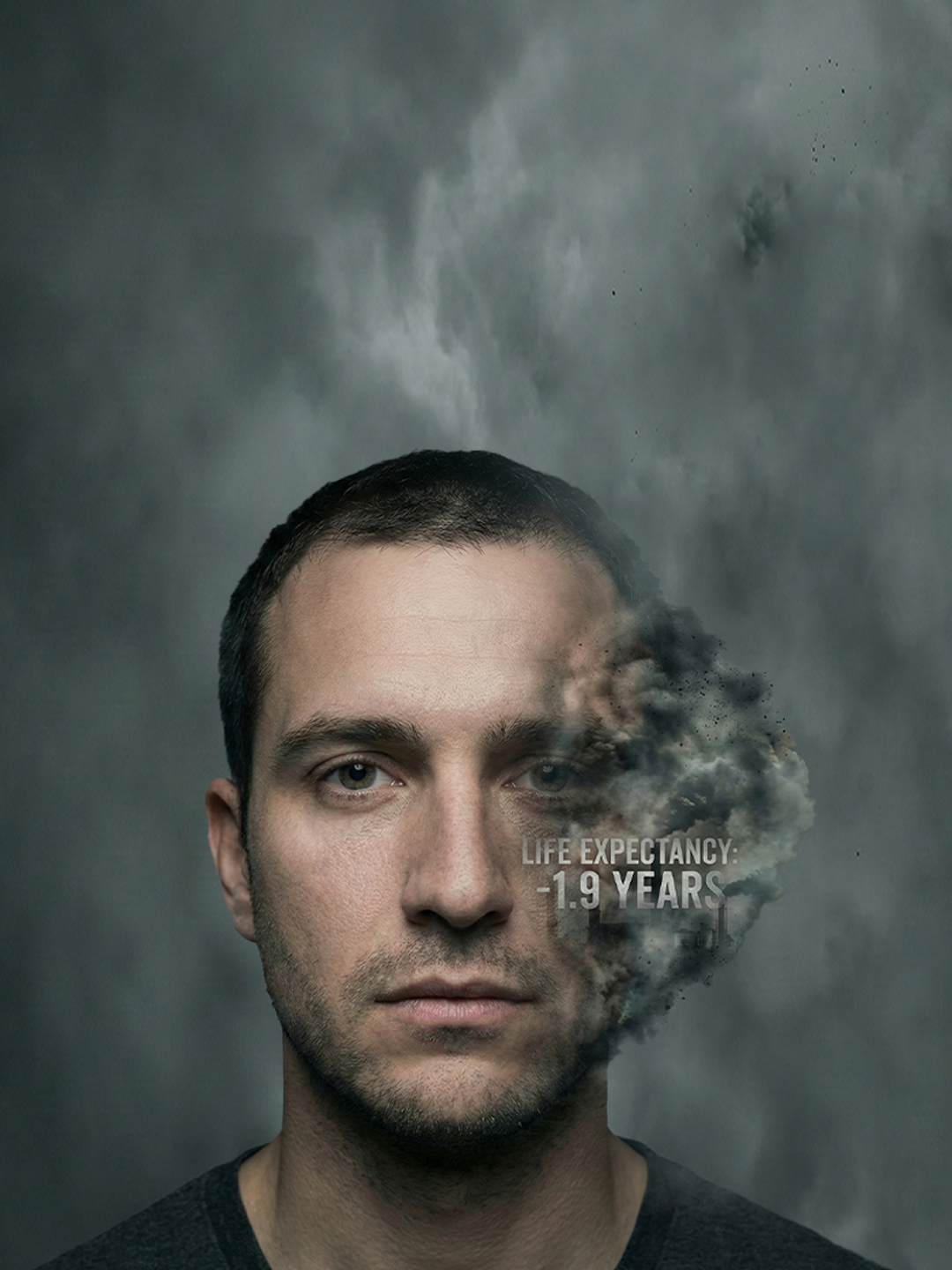
Air pollution is now one of the leading environmental risks to human health. According to global research, prolonged exposure can reduce average life expectancy by up to 1.9 years.
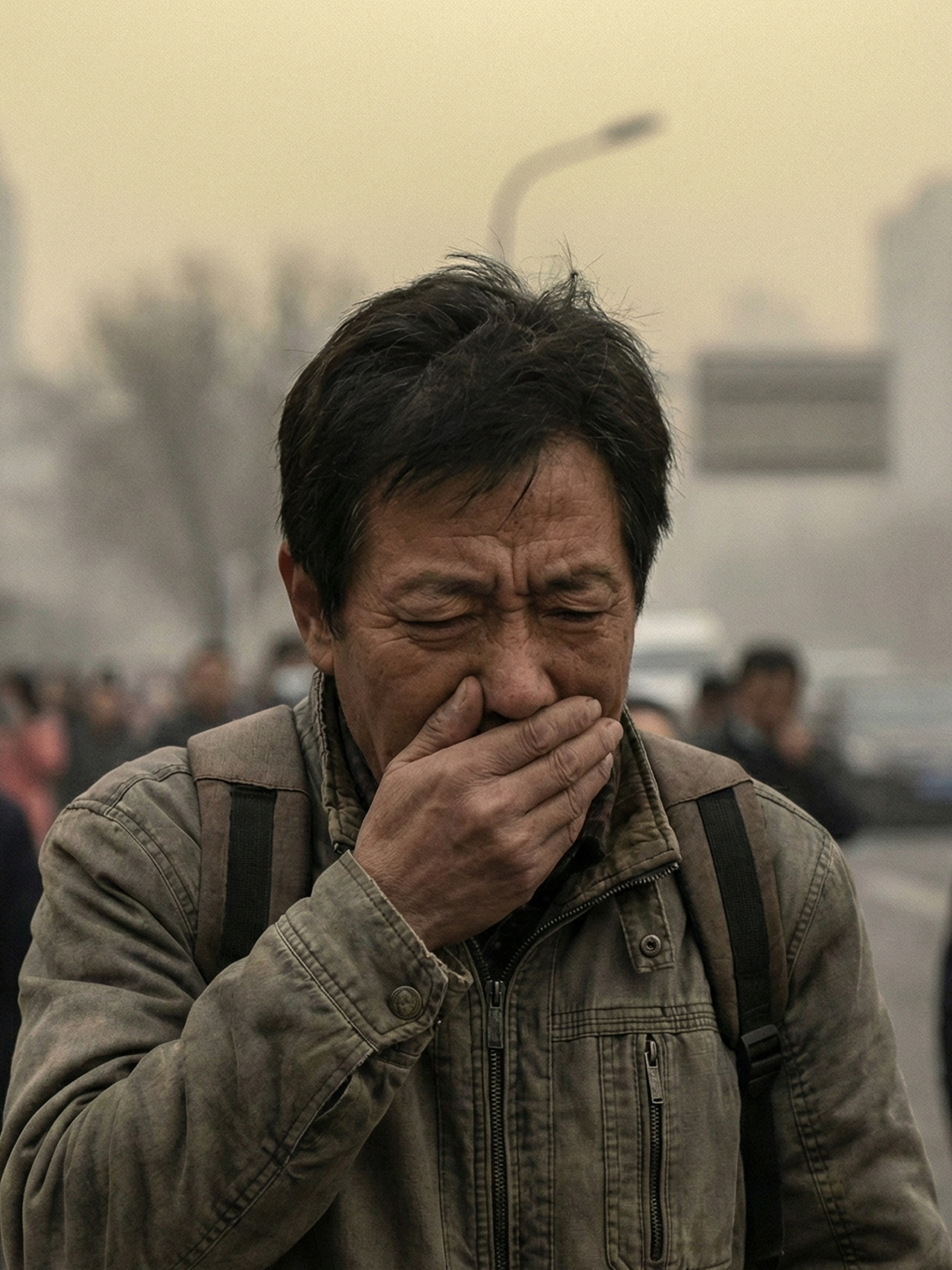
Unlike immediate threats, the danger of polluted air builds slowly. It affects the body over time, often without clear warning signs. What makes it more concerning is that much of this damage is caused by particles too small to be seen.
Unlike immediate threats, the danger of polluted air builds slowly. It affects the body over time, often without clear warning signs. What makes it more concerning is that much of this damage is caused by particles too small to be seen.
What is PM2.5?
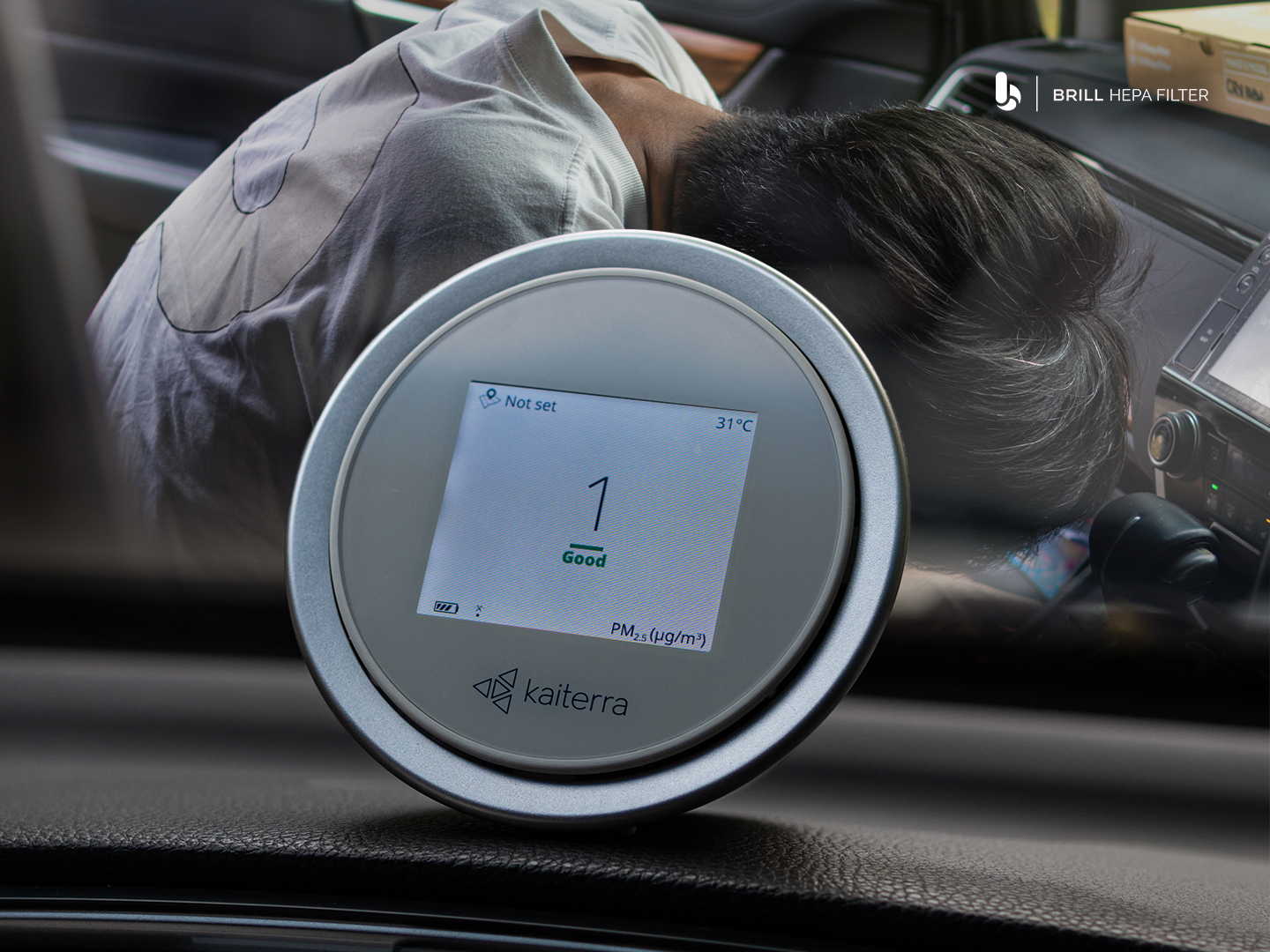
PM2.5 stands for “Particulate Matter 2.5”, particles with a diameter of less than 2.5 micrometers. To put that into perspective, these particles are around 30 to 40 times smaller than a human hair. Because of their size, they can stay suspended in the air for long periods and are easily inhaled without being noticed.
Common sources include:
Common sources include:
- Vehicle emissions
- Urban pollution
- Industrial activity
Why it is dangerous
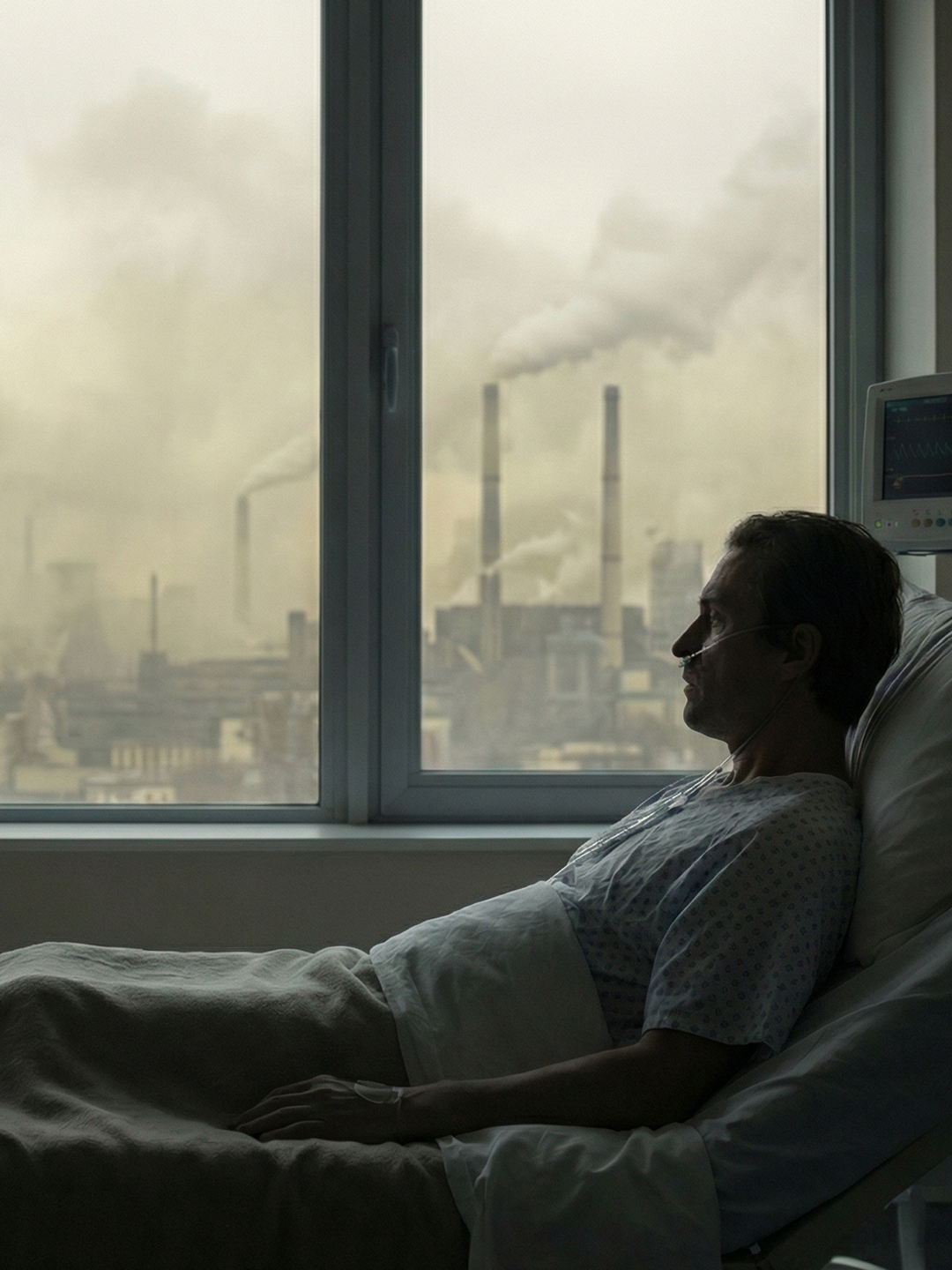
Larger particles are usually filtered by the body’s natural defenses. But PM2.5 is small enough to bypass those defenses entirely. Once inhaled, these particles can travel deep into the lungs and even enter the bloodstream. This is where the real danger begins.
Impact on the human body
Long-term exposure to PM2.5 has been linked to multiple serious health conditions:
These are not isolated risks. They compound over time, affecting both quality of life and longevity.
- Pneumonia and respiratory diseases
- Stroke
- Heart attacks
- Skin irritation and premature aging
- Increased risk of certain cancers
These are not isolated risks. They compound over time, affecting both quality of life and longevity.
A question we should not ignore
Air pollution is not something we can completely eliminate overnight. But awareness is the first step. The air we breathe, at home, outdoors, and even inside our cars, directly shapes our long-term health.
The real question is not whether air pollution affects us. It is how long we are willing to ignore it.
The real question is not whether air pollution affects us. It is how long we are willing to ignore it.