The common misconception
Most people think clean air in a car comes from adding a device. In reality, it comes from optimizing the system that already exists.
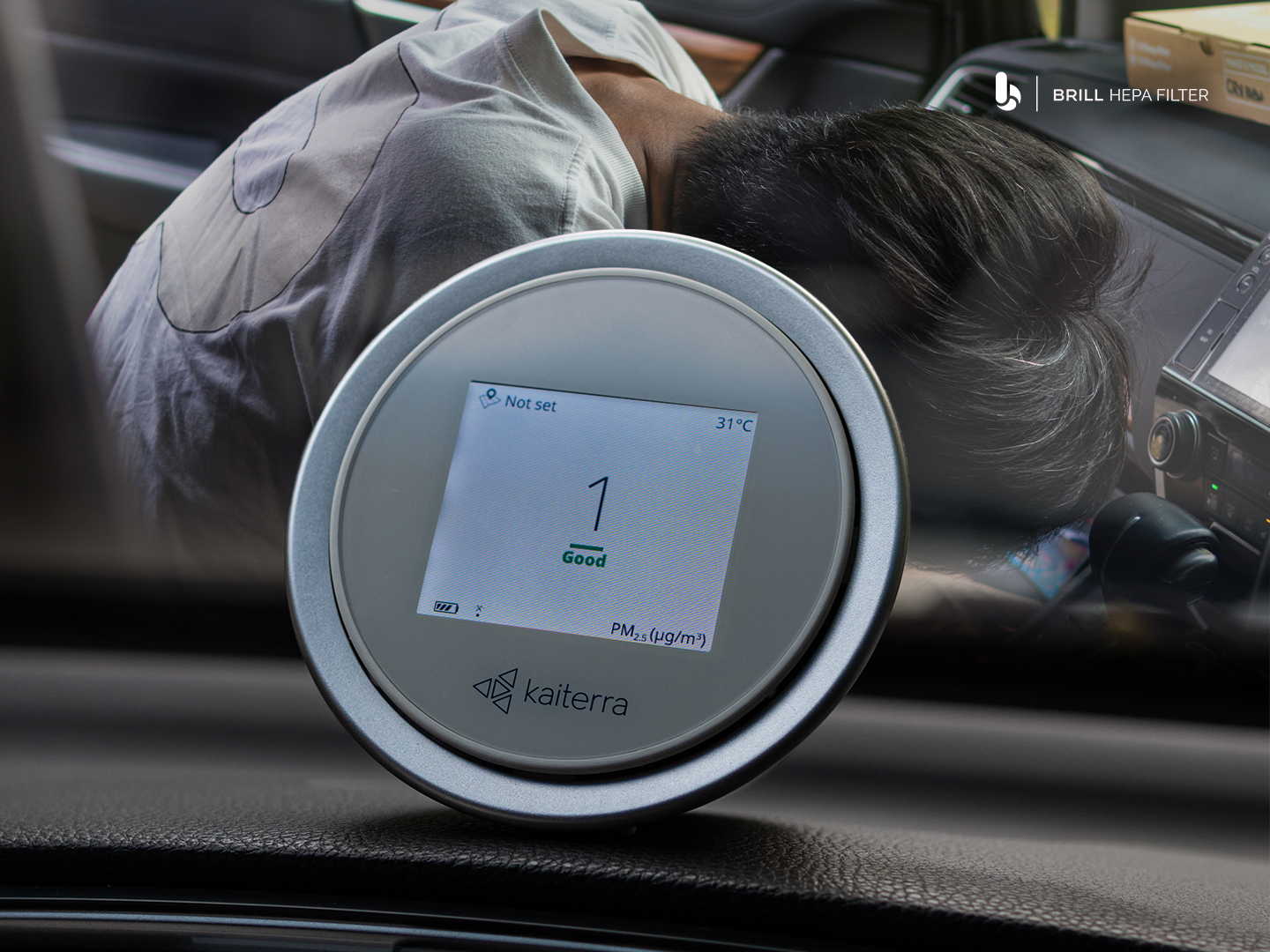
Portable air purifiers are often marketed as the solution for cleaner air inside vehicles. They look modern, compact, and easy to use. But they ignore one fundamental fact: every car already has a built-in air circulation system, the AC. Instead of asking “what device should I add?”, the better question is how powerful is the airflow system I already have?
Portable air purifiers are often marketed as the solution for cleaner air inside vehicles. They look modern, compact, and easy to use. But they ignore one fundamental fact: every car already has a built-in air circulation system, the AC. Instead of asking “what device should I add?”, the better question is how powerful is the airflow system I already have?
System vs device
A portable air purifier works as a standalone unit. It pulls air from a small area, filters it, and releases it back slowly. On average, portable units in cars deliver around 40 m³/h CADR (Clean Air Delivery Rate). That means it takes significant time, often more than 25 minutes, just to circulate air once inside the cabin. Meanwhile, a car’s AC system operates on a completely different scale. With airflow reaching up to 774 m³/h, the system moves air across the entire cabin continuously, not partially and not slowly. That is nearly 19x more powerful than a typical portable purifier.
Where filtration actually matters
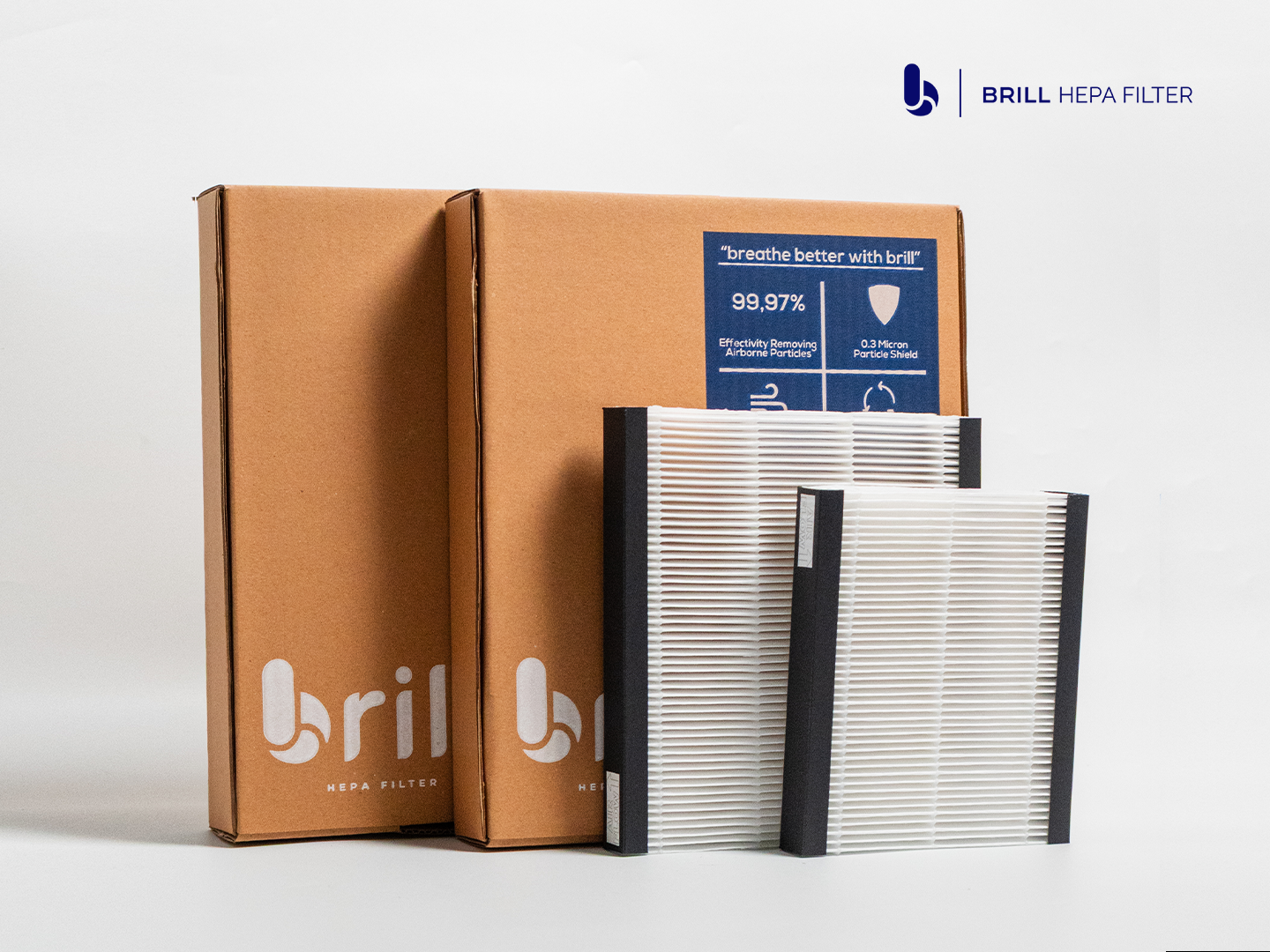
The difference is not just about airflow. It is about where filtration happens. Portable purifiers clean air after it reaches the cabin, but by that point particles have already circulated, settled, and mixed into the environment. A HEPA filter installed directly in the AC system works earlier in the process by filtering air as it enters and moves through the system. This transforms the entire airflow into a continuous purification loop, so instead of cleaning air passively, the system maintains a consistently cleaner environment from the start.
Efficiency without compromise
Beyond performance, there are practical trade-offs.
Portable purifiers:
In contrast, integrating a HEPA filter into the AC system:
It is not an add-on. It is an upgrade to the system itself.
Portable purifiers:
- Occupy space (cup holder or dashboard)
- Require additional power
- Work independently from the main airflow
In contrast, integrating a HEPA filter into the AC system:
- Uses existing airflow
- Requires no additional space
- Requires no external power
- Operates continuously with the vehicle
It is not an add-on. It is an upgrade to the system itself.
A shift in perspective
Clean air inside a vehicle should not depend on small devices trying to catch up with a large environment. It should come from optimizing the system that already controls how air moves. When airflow and filtration work together, the result is not just cleaner air, but a consistently better driving experience.
Because in the end, air purification is not about adding something new. It is about upgrading what already matters.
Because in the end, air purification is not about adding something new. It is about upgrading what already matters.