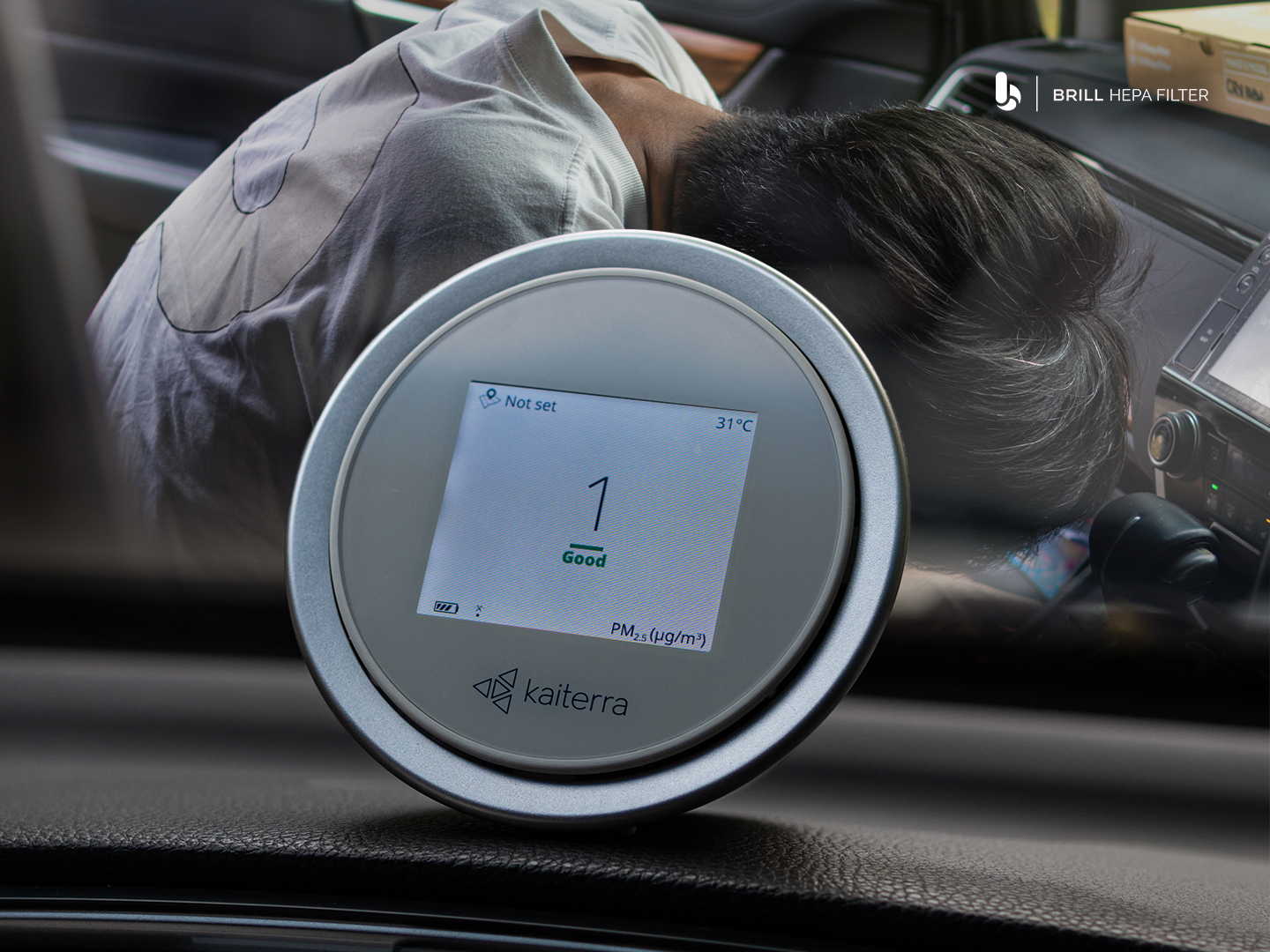


A hidden factor behind productivity loss
This is not about feeling slightly uncomfortable. It directly affects how your brain functions.
Difficulty focusing, slower decision-making, and mental fatigue are often blamed on workload or stress. But in many cases, the environment plays a much bigger role than we realize.
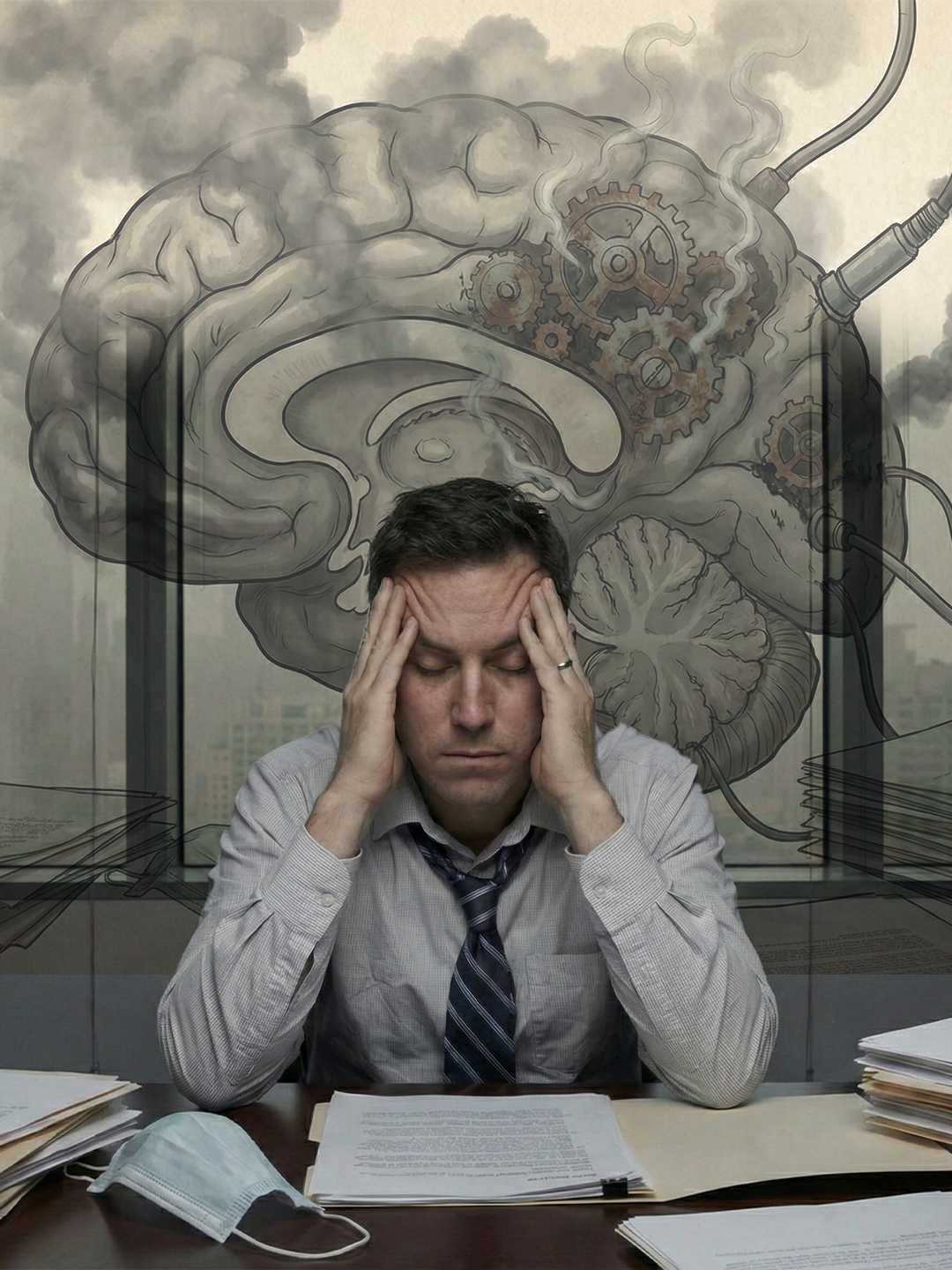
How PM2.5 affects the brain
- Olfactory pathway — entering through the nasal system
- Bloodstream — traveling from lungs into circulation
- Neuroinflammation — triggering stress responses in the brain
These mechanisms disrupt cognitive processes, making the brain work harder for tasks that should feel simple.
The real impact on daily performance
This means:
- Slower thinking
- Reduced focus
- Higher mental fatigue
- Increased stress levels
Over time, this compounds into lower productivity and decreased overall performance.
It’s not just about health anymore
The air you breathe directly influences how well you think, work, and function every day.
Whether at home, in the office, or inside your car, the environment shapes your output.
A new way to think about air
It becomes a factor in productivity, decision-making, and long-term performance.
The question is not whether air pollution affects you. It is how much of your potential is being reduced without you realizing it.